Enterprise systems and automation guide
How to Select an ERP System: Evaluate Process Fit, Control, Cost and Adoption
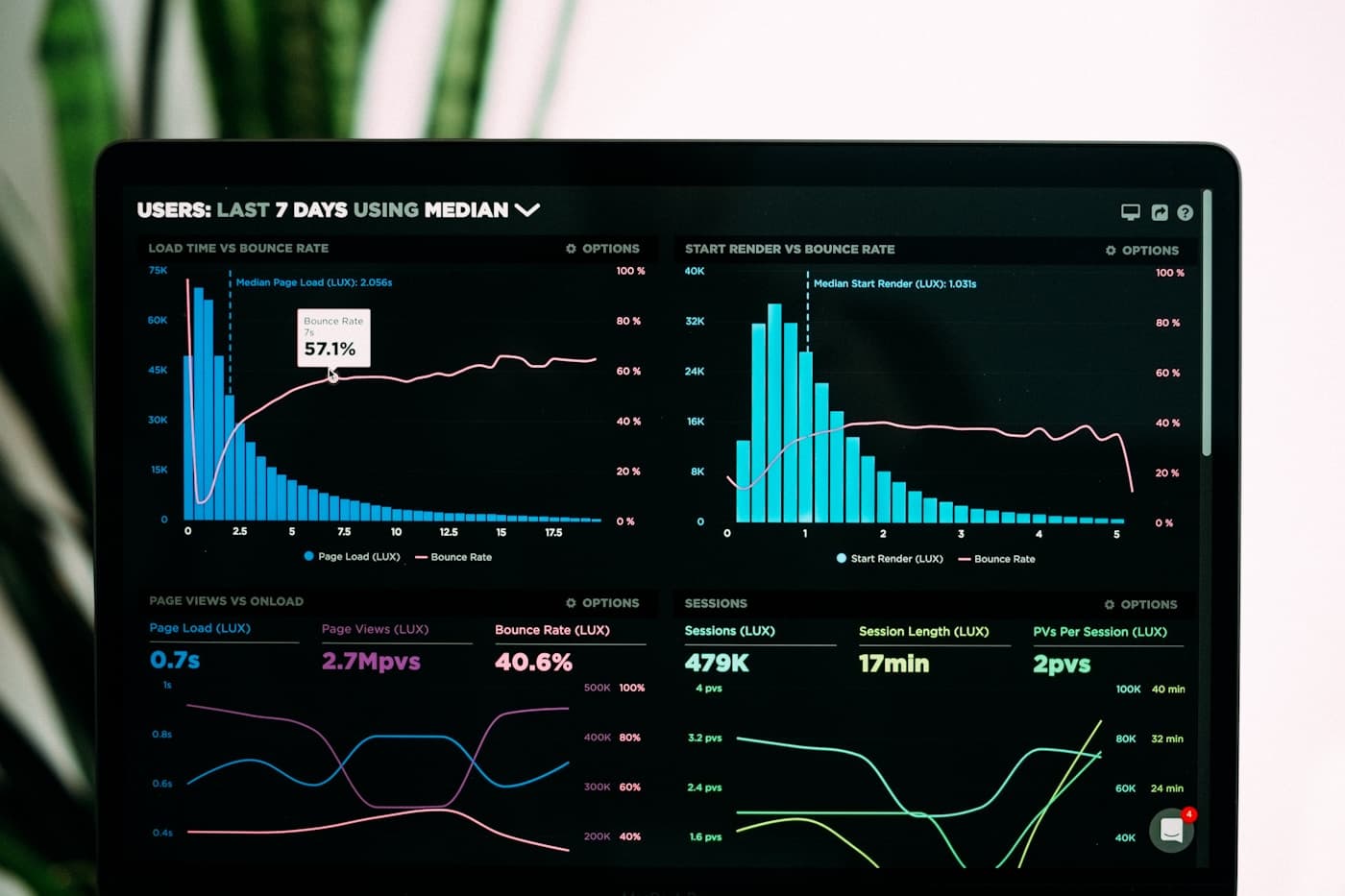
Select ERP from your business processes, controls, data, integrations and operating capacity instead of a feature checklist alone.
On this page
The right ERP is the system your business can operate with discipline
ERP selection should begin with the work that creates cost, risk or delay today: purchasing approvals, stock visibility, financial close, branch reporting, production planning or employee administration. A generic feature scorecard cannot show whether the system handles those realities.
The evaluation needs live scenarios, not only vendor slides. Ask providers to demonstrate a complete process with your roles, approvals, exceptions, reports and integrations. The questions staff ask during this exercise often reveal the real fit.
Implementation capability matters as much as product capability. Consider data migration, configuration limits, local support, training, upgrades, integration access, reporting and the total ownership burden after the project team leaves.
Use this guide when: A business is comparing ERP products, implementation partners or custom ERP options and needs a defensible selection process.
Applying this in a real project
A useful decision in this area starts with a real example, not a broad ambition. Choose a recent situation that represents the work described in this guide and trace it from the first request or trigger through the information used, the person responsible, the decision made, the handoff and the final outcome. This exposes the rules and exceptions that a short requirement or demonstration often hides.
Process fit: Test the priority workflows and exceptions with real examples rather than relying on a feature list. Control and audit: Review roles, approvals, audit history, financial rules and the evidence required by management or regulators. Treat these as evidence-gathering questions. Ask the people who perform the work to bring recent examples, including one that went wrong or required a workaround, so the proposed approach reflects the operating reality rather than the ideal process.
Integration and data: Check how the ERP connects to payments, CRM, POS, payroll, banking, BI and legacy data without brittle workarounds. Ownership cost: Price implementation, support, training, upgrades, infrastructure, reporting and future changes, not only licence fees. Write the agreed answer in a form that design, delivery, QA and business owners can use: the trigger, inputs, expected result, permissions, approvals, error or exception path, and the report or record that proves the work was completed correctly.
That level of clarity does not slow a project down. It gives the team a scenario to use in design review, implementation, testing, training and early support. It also makes later change easier because the business can explain why a rule exists, who owns it and what evidence shows whether the outcome has improved.
The decisions that shape a workable outcome
01
Process fit
Test the priority workflows and exceptions with real examples rather than relying on a feature list.
Use one recently completed example to prove that the rule works with the information people actually have. Capture the starting point, the owner, the decision and the expected outcome so the team is not designing from memory.
02
Control and audit
Review roles, approvals, audit history, financial rules and the evidence required by management or regulators.
Make the handoff explicit. The next person should know what has changed, what they must check and how they can recognise that the work is ready for them. Unclear handoffs are where otherwise sound processes become delays and workarounds.
03
Integration and data
Check how the ERP connects to payments, CRM, POS, payroll, banking, BI and legacy data without brittle workarounds.
Include the exceptions that happen in normal operations: missing information, a changed request, a delayed dependency, an incorrect record or an approval that cannot wait. A workable design gives people a safe route through those cases instead of forcing them outside the system.
04
Ownership cost
Price implementation, support, training, upgrades, infrastructure, reporting and future changes, not only licence fees.
Agree how the business will review this after launch. A report, sample check, completion measure, support trend or manager review turns a stated requirement into something the team can improve from evidence.
Questions to compare before commitment
These choices determine whether the system fits the operating problem or simply moves it into a new interface.
| Area | What to define | Why it matters |
|---|---|---|
| Process fit | Test the priority workflows and exceptions with real examples rather than relying on a feature list. | It affects adoption, controls, reporting and the cost of later change. |
| Control and audit | Review roles, approvals, audit history, financial rules and the evidence required by management or regulators. | It affects adoption, controls, reporting and the cost of later change. |
| Integration and data | Check how the ERP connects to payments, CRM, POS, payroll, banking, BI and legacy data without brittle workarounds. | It affects adoption, controls, reporting and the cost of later change. |
| Ownership cost | Price implementation, support, training, upgrades, infrastructure, reporting and future changes, not only licence fees. | It affects adoption, controls, reporting and the cost of later change. |
A defensible choice needs the rollout reality in ERP Implementation Roadmap and the build-versus-configure questions in Custom ERP vs Off-the-Shelf ERP.
A practical ERP selection process
01
Define the decision criteria
Rank the workflows, controls and outcomes that justify the investment.
Keep the evidence from this stage visible to the people who will make the next decision. It avoids rediscovering the same facts during design, estimation or implementation and gives stakeholders a common reference point when priorities change.
02
Prepare demonstration scenarios
Use end-to-end transactions, approvals, corrections and reports that reflect real work.
Turn the agreed approach into concrete scenarios with realistic roles, data and timing. A scenario is more useful than a broad statement because it can be reviewed by users, built by delivery teams and checked by QA without interpretation being lost between groups.
03
Score evidence, not promises
Compare product fit, delivery partner capability, cost, integration and adoption risk using the same criteria.
Do not prove only the best-case path. Include a delayed, incomplete, corrected or unusually urgent case so the team can decide what the product, process and support route should do when ordinary conditions are not available.
04
Validate the chosen path
Confirm references, technical access, data migration approach and implementation responsibilities before contract commitment.
After the work is in use, compare the intended outcome with actual behaviour. User questions, completion quality, support patterns and operating reports show whether the change is holding up or needs a measured follow-up improvement.
ERP selection mistakes that surface after signing
Choosing by brand or demo polish
A polished generic demonstration can hide gaps in the workflows that actually drive the business.
The practical safeguard is to name an owner, document the expected behaviour and test a representative example before the risk reaches users or operations. That is usually less costly than discovering the gap during a live transaction or service moment.
Ignoring ongoing ownership
Support, changes, data, reporting and training need a realistic owner and budget after the initial project.
Look for the informal workaround that people are likely to create when the designed route is unclear or slow. Workarounds are useful signals, but they can weaken data quality, auditability, service consistency and the ability to improve the process later.
Over-customising before adoption
Custom work should solve a proven process need, not preserve every legacy habit without review.
Keep the risk visible after launch through support review, management reporting or a targeted quality check. A risk register should lead to a measurable operating control, not a warning that disappears once the release is approved.
ERP selection checklist
Use this checklist to prepare the business, process and data before implementation begins.
- Priority workflows ranked.
- Real demonstration scenarios prepared.
- Controls and audit needs defined.
- Data and integration scope reviewed.
- Implementation partner capability tested.
- Total ownership cost considered.
- Training and support model assessed.
- Contract and exit assumptions reviewed.
Questions readers usually ask next
Should we choose cloud or on-premise ERP?
Choose from security, connectivity, operating capacity, integration, cost and continuity needs. The better option is the one the business can support reliably.
Do we need ERP consulting before selection?
A process and requirements review often prevents selecting a product before the business has agreed what it needs to change.
Choose ERP from evidence about your real operating work
We can structure scenarios, evaluation criteria and implementation assumptions before a platform decision is locked in.
Plan ERP selectionContinue reading
Enterprise systems and automation guide
ERP Implementation Roadmap
A practical roadmap for implementing ERP without treating configuration as the whole project.
Read guideEnterprise systems and automation guide
Custom ERP vs Off-the-Shelf ERP
A grounded way to decide whether to configure a product or build the ERP capability the business truly needs.
Read guideRelated services
- ERP and Business Systems
Plan integrated finance, operations, HR, inventory and reporting systems around the way the business operates.
- Financial Management Systems
Build financial workflows, approvals, controls and reporting around accurate operating data.
- Supply Chain and Warehouse Management
Improve stock, purchasing, movement and fulfilment visibility across operations.