DEVOPSTECHSOFTWARES

Custom software development

Legacy System Modernization for Aging Software, Databases, Workflows and Integrations

Modernize legacy software without disrupting the business: assess risk, stabilize critical workflows, improve usability, protect data and migrate in controlled phases.

Legacy system modernization planning for software refactoring and migration
Modernization should protect business continuity while improving the parts of the system that create risk, cost or growth limits.
code, data, infrastructure, workflows and risk
Assess
bugs, security, performance and deployment issues
Stabilize
UI, APIs, database, architecture and integrations
Modernize
data, users, modules and operations in phases
Migrate

Modernization without reckless disruption

Legacy software often carries business knowledge that must be protected while the technology improves

Old systems are rarely useless. Many legacy applications contain years of operational logic, customer data, reports, approvals and workarounds that the business depends on. The problem is that they become harder to maintain, integrate, secure and improve.

A modernization project should not begin with panic or a blind rebuild. It should begin with diagnosis: what is working, what is risky, what blocks growth, what data must be protected and which changes can be made safely without interrupting operations.

DevOpsTech Softwares helps businesses modernize legacy systems through assessment, stabilization, refactoring, UI renewal, API wrapping, database migration, cloud readiness, module replacement and phased rebuilds where necessary.

Service at a glance

Best for
Organizations relying on old software that is hard to change, risky to maintain, slow, insecure or poorly integrated
Typical outputs
Modernization audit, risk roadmap, refactoring plan, migration strategy, upgraded modules and support plan
Core decisions
Stabilize, refactor, wrap with APIs, migrate to cloud, replace modules or rebuild in phases
Integration context
Legacy databases, desktop apps, old web apps, ERP, CRM, accounting, reporting, cloud hosting and APIs
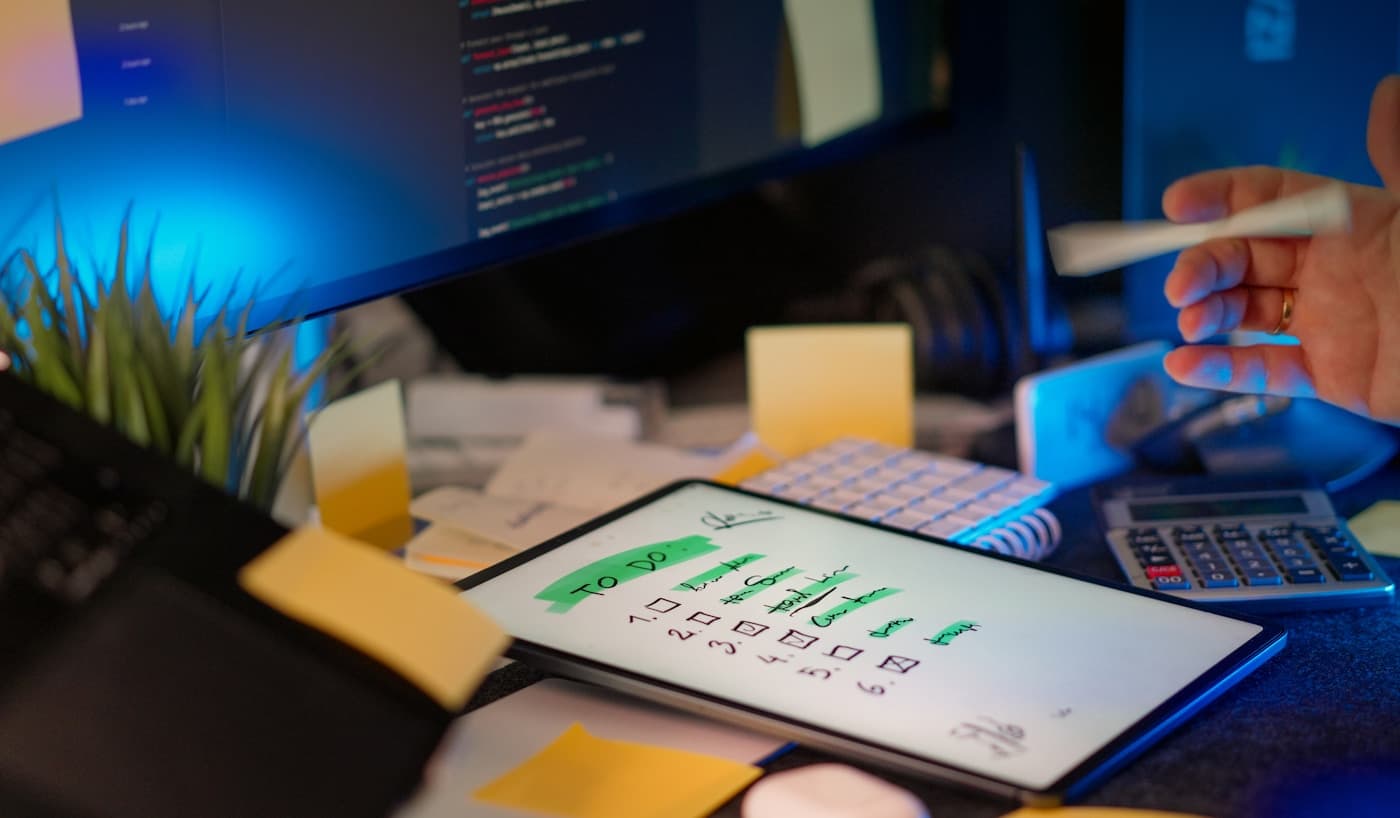
Legacy system modernization planning for software refactoring and migration
The right modernization path may be stabilization, refactoring, integration, cloud migration, UI renewal or a phased rebuild.

Modernization decisions

What must be understood before changing a legacy system

Legacy modernization is not one method. The right path depends on business criticality, technical condition, data risk, user adoption, integrations and budget.

AreaWhat we decideWhy it matters
Business criticalityWhich workflows, departments, reports, customers, financial records or compliance processes depend on the current system.Modernization must protect the operations that cannot stop during the project.
Technical conditionCode quality, framework age, database structure, hosting, security, performance, documentation and deployment process.The condition of the existing system determines whether refactoring, integration or rebuilding is safer.
Data migration riskData model, duplicates, missing fields, historical records, audit trails, reporting fields and migration validation.Data mistakes can damage operations even when the new interface looks better.
Integration dependenciesPayment gateways, accounting, ERP, CRM, SMS, reporting tools, APIs, third-party services and manual imports.Existing dependencies must be mapped before modules are replaced or moved.
Modernization patternStabilize, refactor, replatform, wrap with APIs, replace modules, migrate database or rebuild in phases.The best path balances risk, cost, speed and long-term maintainability.
Rollout and continuityParallel run, pilot users, rollback plan, training, data verification, support and post-launch monitoring.Legacy changes need operational safety because users often rely on the system daily.

Capability depth

What this service covers

01

Legacy system assessment and modernization roadmap

We inspect the current system and produce a practical plan for reducing risk and improving maintainability.

  • Codebase, database, infrastructure, performance, security and deployment review.
  • Workflow, reporting, integration and user-dependency mapping.
  • Roadmap with stabilization, refactoring, migration and rebuild options ranked by risk and value.

02

Stabilization, bug fixing and refactoring

We improve fragile systems before major change so the business has a safer foundation to work from.

  • Critical bug fixes, performance improvements, security patches and deployment cleanup.
  • Refactoring of high-risk modules, duplicated logic, unstable workflows and hard-to-maintain code.
  • Documentation and tests for workflows that need protection before modernization continues.

03

UI modernization and workflow improvement

We can modernize the user experience without necessarily replacing the entire system at once.

  • Modern dashboards, forms, navigation, mobile-friendly screens and role-based views.
  • Workflow improvements that reduce duplicate entry, confusing steps and manual reporting.
  • Gradual interface upgrades that respect existing users and operational habits.

04

API wrapping and system integration

We extend legacy systems by adding APIs or integration layers where a full replacement is not yet practical.

  • API layers for controlled access to legacy data and business logic.
  • Integrations with CRM, ERP, accounting, payments, SMS, BI dashboards and third-party tools.
  • Synchronization, logging and failure-handling rules for systems that must keep working together.

05

Database migration and data cleanup

We plan migrations carefully so historical records, relationships, reports and audit needs are preserved.

  • Data profiling, field mapping, duplicate cleanup, validation rules and migration scripts.
  • Trial migrations, reconciliation checks and reporting validation.
  • Plans for historical data, archived records, active records and user access after migration.

06

Cloud, platform and phased rebuild modernization

We help move legacy systems to modern infrastructure or rebuild modules gradually when the old foundation cannot support the future.

  • Cloud migration planning, environment setup, backup strategy and monitoring.
  • Module-by-module replacement using controlled rollout and fallback planning.
  • Architecture redesign for scalability, security, maintainability and integration readiness.

Engineering standards

Serious software needs controls, not only features

01

Do not rebuild blindly

We assess whether stabilization, refactoring, API wrapping or phased replacement can solve the problem before recommending a full rebuild.

02

Protect business continuity

Modernization planning must account for daily users, critical workflows, reporting deadlines, data access and rollback options.

03

Treat data as the highest-risk asset

Data migration needs mapping, validation, reconciliation and business review. A successful modernization cannot lose trust in records.

04

Modernize in controlled phases

Phased delivery helps reduce operational risk, train users gradually and prove value before larger replacement work continues.

Delivery path

A controlled route from idea to supported software

01

Assess the legacy system and operational risk

We review the software, database, workflows, hosting, integrations, users, reports, security posture and support pain points to understand what should change and what must be protected.

02

Choose the modernization path

We compare stabilization, refactoring, UI modernization, API wrapping, cloud migration, module replacement and phased rebuild options based on cost, risk and long-term value.

03

Modernize priority areas in phases

We improve or replace the parts of the system that create the highest risk or value first, while validating data, workflows, permissions, integrations and reporting.

04

Support adoption and future improvement

We support training, documentation, monitoring, bug handling, data verification and ongoing improvements so the modernized system remains dependable.

Service FAQs

Questions before starting engineering work

How do we know whether to modernize or rebuild?

The decision depends on code condition, business risk, data quality, integration needs, user dependency, future requirements and cost. We assess the system before recommending the safest path.

Can modernization happen without downtime?

Some changes can be made with little or no downtime, while migrations and module replacements need careful planning. We design rollout, backup and fallback steps around the system's operational importance.

Can you modernize a system if the documentation is missing?

Yes, but discovery takes more effort. We can inspect the code, database, workflows and user behavior to rebuild enough understanding before changing critical parts.

Need to modernize an old system without risking daily operations?

Tell us what the current system does, what is painful to maintain and what cannot break. We will help assess the safest modernization path.